From Catch to Cuisine: Mastering Fish Cutting With the Right Knife
Mastering the art of fish filleting requires a combination of skill and the right tools. A well-chosen knife can make all the impact in achieving precision and quality. With an organized workspace and fundamental techniques at hand, anyone can enhance their culinary creations. However, typical mistakes can hinder progress. Understanding these nuances is vital for success. The journey from catch to exquisite cuisine begins here, and the next steps will reveal the key to perfect fillets.
Selecting the Perfect Blade for Cleaning Fish
Selecting the right knife for filleting fish is crucial for making neat cuts. A filleting knife generally has a lengthy, flexible blade that allows greater maneuverability around bones and skin. Filleting knives commonly measure between six and nine inches in length; the choice often rests on the size of the fish to be prepared. The blade's material, such as stainless steel or high-carbon steel, plays a major role in durability and sharpness. A well-balanced handle, usually made from wood or synthetic materials, guarantees comfort and less hand fatigue during use. Additionally, some knives possess a tapered design that improves control and precision. Choosing a knife with a secure grip and a fine-sharpened edge can greatly aid the filleting process, producing perfectly cut fillets. Consequently, investing effort in selecting the ideal knife is crucial for anyone wishing complete guide to excel in the art of fish filleting.
Get Your Space Ready for Filleting Fish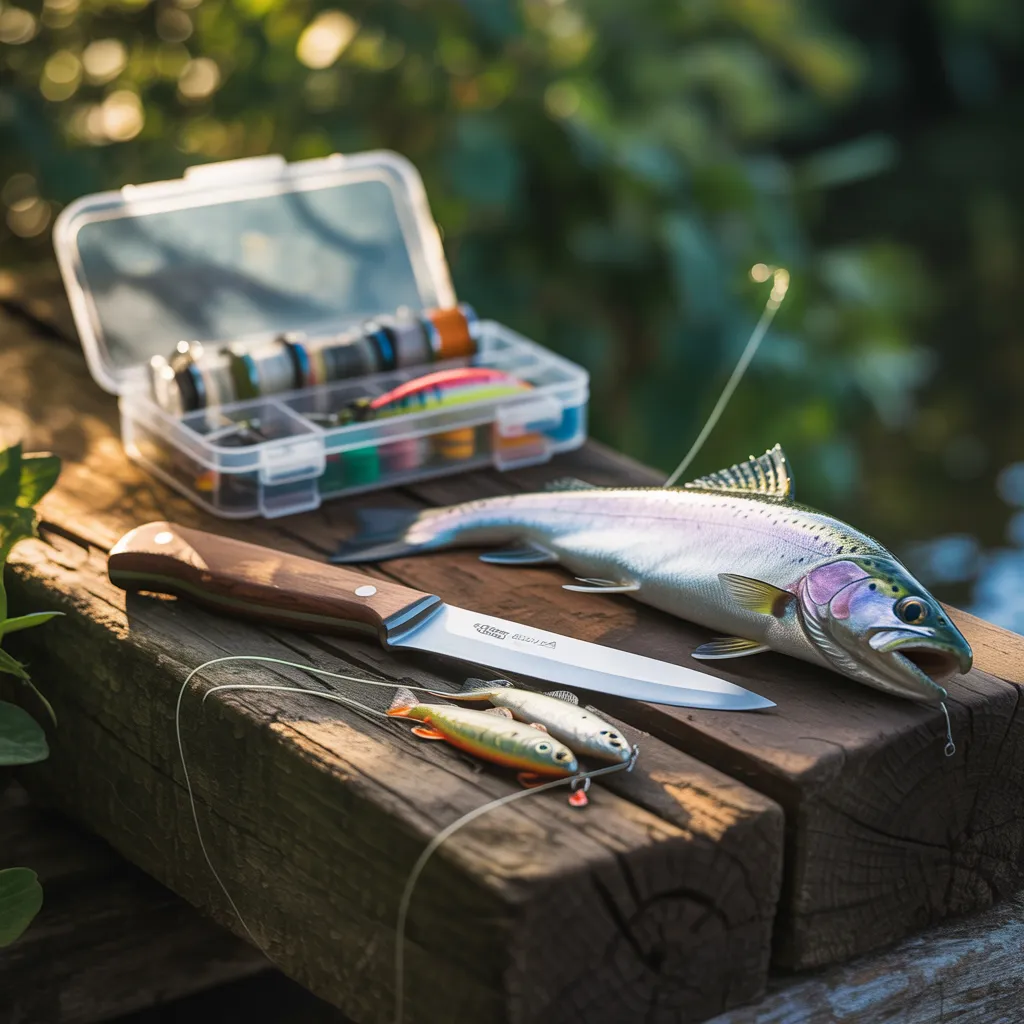
Preparing the workspace for fish filleting is as important as choosing the right knife. A clean, organized area guarantees efficiency and safety during the process. The ideal workspace should be a flat, sturdy surface, ideally a designated cutting board that can withstand the use of sharp knives.
It is critical to keep all required equipment within reach, including a filleting knife, cutting board, and a bowl or container for the discarded parts. Adequate illumination is also essential; a properly lit workspace allows for enhanced clarity of the fish's structure and any delicate filleting tasks.
Furthermore, it is advisable to have a moist cloth ready for speedy cleaning, limiting the potential for falls. Finally, confirming that the workspace is free from distractions bolsters focus and precision, ultimately leading to better results. A well-equipped environment substantially supports mastering the art of fish filleting.
Key Procedures for Filleting Fish: A Detailed Resource
Selecting the appropriate knife is critical when deboning fish to achieve precise cuts during the process. Understanding the multiple deboning techniques boosts speed and accuracy. This guide will detail the key steps to master the art of fish filleting.
Selecting The Right Knife
A quality knife is essential for successful fish filleting, as it not only enhances precision but also ensures a clean cut. The ideal knife for this task is flexible and sharp, typically featuring a long, narrow blade that allows for intricate cuts along the fish's spine and ribs. A filleting knife, often around 7 to 9 inches in length, provides the right balance between control and reach. Handle materials, such as wood or plastic, should offer a comfortable grip to prevent slippage during use. Additionally, a properly cared for knife, regularly sharpened, will perform better and reduce the risk of injury. Choosing the right knife ultimately contributes to a easier, more efficient filleting experience.
Filleting Strategies Outlined
Once you have the proper knife in hand, the focus turns to the approaches that will guarantee effective fish filleting. Initially, placing the fish on a clean, solid surface is essential. The knife should glide along the backbone, commencing just behind the head and moving towards the tail. A mild sawing motion helps separate the flesh from the bones without tearing. Next, the fillet must be carefully removed, ensuring all pin bones are discarded. For skinning, the fillet is positioned skin-side down; the knife's blade edge is used to move between the skin and flesh. Finally, trimming any remaining bones or imperfections completes the process, yielding perfectly filleted fish ready for culinary use. Mastery of these techniques boosts both efficiency and results.
Top 5 Mistakes to Prevent While Filleting Fish
Filleting fish demands accuracy and expertise, yet many beginner fishers encounter common errors that can ruin the process. One major mistake is using the wrong knife; a filleting knife is essential for neat cuts. Another common error is applying too much pressure, which can damage the flesh rather than cutting it cleanly. Additionally, failing to remove all bones can lead to an unpleasant eating experience, so attention to detail is vital. Many fishers also fail to follow along the fish’s natural lines, which can result in lost meat. Finally, not preparing a clean workspace can cause contamination and hinder efficiency. By avoiding these five mistakes, novice fishers can greatly improve their filleting technique, ensuring a higher quality product and a more enjoyable cooking experience. Mastery of these fundamentals sets the stage for a successful shift from catch to cuisine.
Maintaining Your Filleting Knife: Important Tips
Sustaining a fillet knife is necessary for superior performance and safety. Regular sharpening methods, proper cleaning approaches, and secure storage methods guarantee the knife remains effective and sturdy. Through following these essential suggestions, operators can prolong the life of their fillet knife and amplify their seafood preparation experience.
Continually Sharpening Your Approaches
Regularly sharpening a filleting knife is essential for achieving clean cuts and ensuring safety while preparing fish. If the blade is dull, it can move unexpectedly, raising the risk of injury and damaging the fillet's quality. Different methods exist for sharpening, including using a whetstone, honing rod, or electric sharpener. A whetstone demands skill but offers delicate control, while honing rods are straightforward and suited for fast touch-ups. Electric sharpeners provide convenience but may remove more metal than desired. Regardless of the method chosen, maintaining a consistent angle while sharpening is vital. Also, you can test sharpness by slicing paper; a precise cut signifies a well-honed knife, ready to fillet effectively.
Suitable Hygiene Methods
Keeping a well-maintained filleting knife is crucial for food safety and ideal performance. Using proper cleaning methods ensures that the knife stays ready and free from contaminants. The knife should be rinsed immediately under warm water after every use to eliminate fish residue. A delicate sponge or cloth can be used to carefully scrub the blade, avoiding abrasive substances that might damage the finish. Thoroughly drying the knife is essential to prevent rust and corrosion. Consistently checking the knife for any signs of wear or damage while cleaning helps keep it functional. Adhering to these cleaning routines extends the knife’s durability and supports a hygienic environment for food preparation.
Secure Keeping Guidelines
Cleaning correctly is essential for the longevity of a filleting knife, and secure storage techniques are equally vital. Proper storage of the knife can stop damage both to the blade and to the user. A suitable knife sheath or blade guard is suggested to protect the edge and guarantee safety during use. Magnetic strips may also be beneficial for simple access and visibility, reducing the risk of accidents. It is advisable to keep the knife in a arid place to prevent rust and corrosion. Additionally, storing the knife away from large kitchen tools reduces the likelihood of dulling or chipping the blade. By following these storage practices, one can lengthen the filleting knife’s life and promote safe handling.
Cooking Tips and Dishes to Elevate Your Filleted Fish
Perfecting essential cooking techniques that boost taste and mouthfeel is necessary for advancing filleted fish. One effective method entails searing in a pan, that creates a crunchy crust while preserving juiciness content. A hot skillet with a trace of oil permits the Maillard reaction, intensifying the fish's natural flavors.
Moreover, treating the fillets in citrus juices, herbs, or spices for 30 minutes can inject them with vibrant taste. Baking is another great option, especially when paired with a crust of breadcrumb and parmesan blend for added bite.
For a revitalizing variation, think about making fish tacos with a zesty slaw and avocado. Alternatively, a basic lemon-butter sauce can enhance any dish, highlighting the subtle flavors of the fish.
Trying out various cooking techniques and flavor profiles enables home cooks to create unforgettable dishes that highlight their freshly filleted catch.
Comprehensive Step-by-Step Instructions for Filleting Diverse Fish Species
Mastering the art of fish filleting is key to reaching the best gastronomic results. Each species requires a bespoke approach to guarantee optimal yields and quality. For flatfish, such as flounder, one should begin by positioning the fish skin-side down, making a cut behind the head, and then sliding the knife along the backbone. In contrast, filleting round fish, like trout, involves a similar initial cut but requires close attention to the rib bones. For larger species, such as salmon, a long, flexible knife is essential. After creating the initial cut, the filleting knife should move along the spine, dividing the flesh from the bones with precision. Following these methods not only increases the amount of fillet obtained but also improves the overall consistency and flavor of the fish, making it an invaluable skill for any cooking professional.
Frequently Requested Questions
What Should I Think About When Selecting the Right Fish for Filleting?
Picking the correct catch for removing bones from means choosing fresh firm options. Well-liked types like salmon, trout, and snapper are valued for their convenient proportions and flesh caliber, allowing for easier handling and outstanding results throughout the deboning process.
Could I Use a Basic Kitchen Knife for Filleting?
It's possible to use a standard cooking knife for filleting, but you may lose out on the precision and flexibility of a specialized fillet knife. A specialized filleting tool delivers neater slices and superior outcomes when filleting fish.
What Should I Do With Fish Scraps After Filleting?
After cleaning fish, one ought to think about turning scraps into compost, using them for fish stock, or donating to local wildlife. Disposing of them properly guarantees reduced waste while enhancing the value of the entire fish.
How Extended Can the Preservation Duration for Deboned Fish?
You can keep filleted fish in the refrigerator for up to two days, and frozen preservation extends its shelf life to six months. Proper wrapping decreases freezer burn, maintaining quality and freshness for upcoming meal preparation.
Can You Find Safety Advice for Fish Filleting?
When filleting fish, one ought to always use a sharp knife for precision, maintain a immaculate workspace to eliminate contamination, guarantee hands and surfaces are dry, and put safety first by keeping fingers away from the blade's edge.